Why We Chose January (and What the City Gave Back)
We landed in Dubrovnik with the kind of suitcase that mutters over stone, small wheels, stubborn personality, and the wind had that clean, bracing edge the locals call bura. The gates looked exactly as they do in summer but felt different, as if they’d loosened their shoulders. We walked under Pile Gate with pink cheeks and the soft, ridiculous happiness of people who love the Mediterranean in every season. The Old Town was quiet enough to hear our footsteps and, occasionally, our laughter bouncing off centuries of limestone.
We’d come in late January on purpose. We wanted the city we’d missed in July-the one locals keep for themselves, the one with time in it. No tour groups bunching at bottlenecks, no sunburned rush, no host playing traffic warden with a smile that’s two hours old. Just stone, sea, and the rhythm of a place living at its own pace. Five minutes after we arrived, Dubrovnik rewarded the decision: a café on the Stradun had blankets over chairs like someone’s grandmother had prepared for us; the barista nodded us toward the warmest table and brought two macchiatos and a glass of water. “You’ll need it,” he grinned. “The wind tells the truth.” We liked him immediately.
The Stradun in Winter: A Mirror of Light
The Stradun in winter is a mirror. The polished limestone turns the pale sky into a long ribbon of light, and your own reflection walks beside you-taller, thinner, slightly more romantic. We strolled end to end simply because we could, unhurried. A cat sunbathed on a windowsill with the amused authority only Mediterranean cats possess. At Gundulićeva Poljana, locals browsed jars of honey, dried figs, and little bottles of liqueur. A vendor rationed her candied orange peels, then slipped us one “for the walls.” We tucked it into a pocket like a secret.
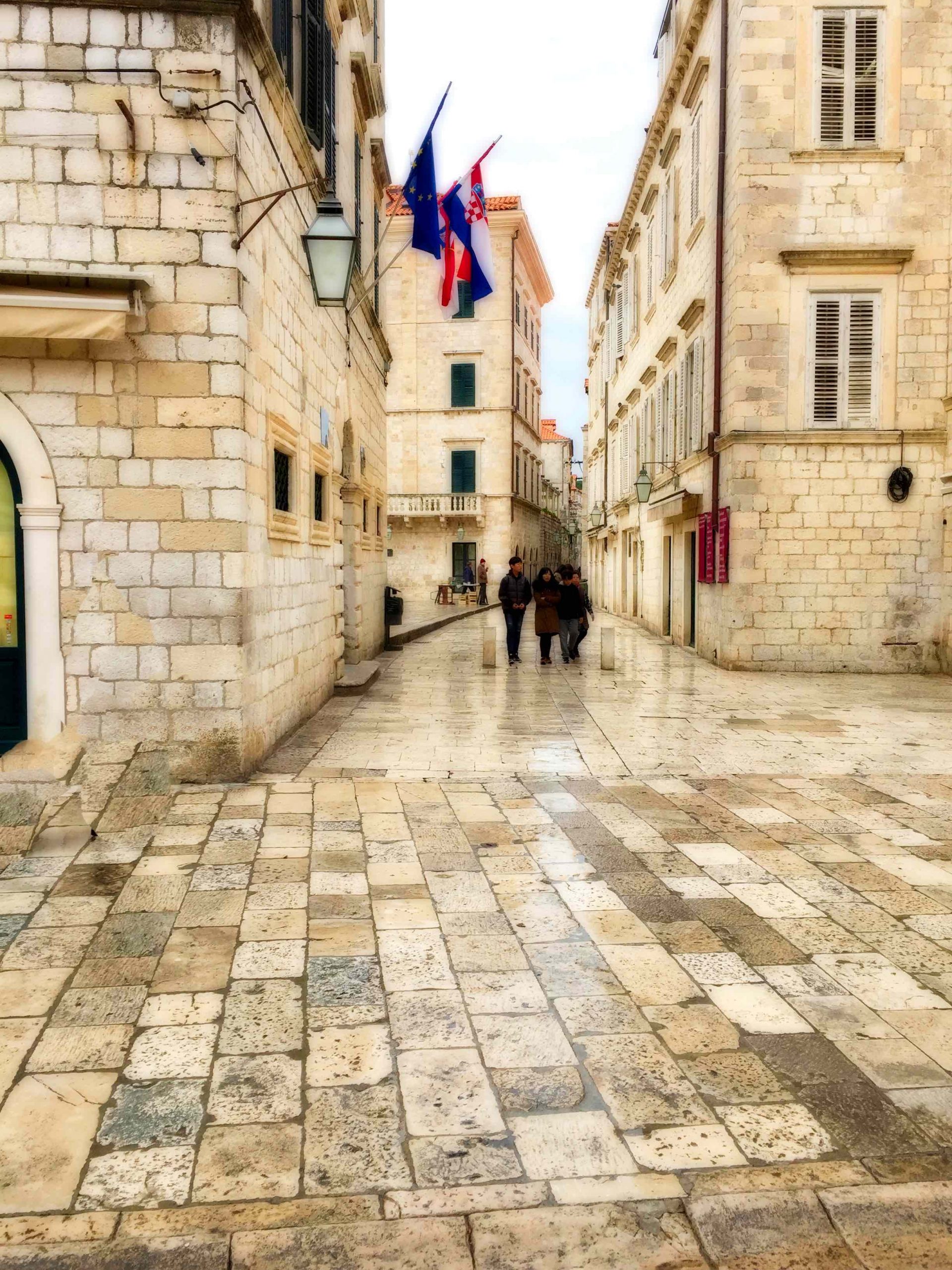
Old Twond
Walking the Walls: A Private Balcony on the Adriatic
In summer, the city walls can feel like a beautiful highway. In winter, they’re your private balcony on the Adriatic. We climbed late morning, when the sun remembered generosity, yet the light stayed soft. To the left: a thoughtful blue sea. To the right: roofs huddled like old friends retelling their favorite story. Leaning on warm stone, we stared at Lovrijenac-St Lawrence Fortress, sitting with the calm of something carved from patience. The wind tugged at our scarves and made our eyes water in that honest, cleansing way. We found ourselves whispering as if the city were sleeping and we’d tiptoed into its room.
Past the Screens: Meeting the City, Not the Set
Yes, we recognized corners from a particular famous series. We took the least dramatic of photos and then, gently, stepped past the screensaver into the Dubrovnik that predates every storyline. Winter makes that transition easy. Without the choreography of summer, the city feels like a person rather than a performance. We eavesdropped on our own thoughts.

Old Town
Cloisters and Quiet Rooms: The Art of Being Still
We wandered into the cloister of the Franciscan Monastery. We stayed longer than planned, tracing columns with our eyes and listening to water in the small fountain that has been speaking quietly for centuries. Winter light makes lace out of arches. Across town, in the Dominican Monastery, saints and Madonnas felt closer, their colors warmer against the season’s cool blues and greys. Sponza Palace held itself with effortless composure; the Rector’s Palace taught an old-world lesson best learned unhurried: architecture can be an attitude-dignity shaped in stone.
To the Sea: Porporela and the Honest Blue
Eventually, the sea called, as it does here. We walked the slender arm to Porporela, the little lighthouse like neat punctuation at the sentence’s end. Cormorants stood with wings spread in a posture of patience; waves tapped the stones like a spoon against a porcelain cup. The air had that crisp clarity that makes ordinary colors feel newly minted. We said almost nothing, which for us counts as a poem.
Winter at the Table: Konobas, Conversations, and Time
Food in winter tastes slower. Dubrovnik fed us quietly and well. One afternoon, we slid into a konoba away from the Stradun, just a few tables, the menu more conversation than a list. “What’s good today?” we asked. “The sea is in a good mood, so black risotto,” our server decided, with the soft authority of someone who has eaten these dishes her whole life. The risotto arrived like an inked promise: briny, silky, perfectly cooked, tasting of tide and tradition. A glass of Malvasija Dubrovačka-sunny backbone and a whisper of citrus, was the companion we didn’t know we needed. Later came brodet, a stew that warms from the inside out, roasted vegetables that tasted like the garden had left a love letter, and for dessert, rožata: lemon-scented, serene, smooth as a good memory. Winter is a generous editor; it leaves what matters.

Old Town Walls
Cafés as Living Rooms: The Gentle Sport of Conversation
We collected small pleasures as if curating our own museum: a second coffee midafternoon because the barista had started remembering our order; warm bread with local olive oil in a doorway where laughter kept slipping out; the low hum of a city speaking to itself. Winter returned civility to everyday exchanges. The shopkeeper wrapped a small purchase like a christening gift. The waiter asked about our day and meant it.
Weather with Personality: Bura and Jugo as Hosts
The weather had moods and told the truth. On bura days, the air felt scrubbed, the horizon razor-sharp, laundry snapping like flags. On jugo days, clouds traveled in soft caravans, and the sea rolled like a bass note you could taste. We dressed accordingly: good shoes for slick stone, layers to add and subtract, a hat that refused to fly. We learned the wind’s favorite routes and the corners the Old Town shelters: a sun-warmed stair, the lee of a wall, a small bench behind a church where the world settles into a contented hum.
When the Lanterns Come On: Evenings that Glow from Within
Night arrived early but not sadly. When the lanterns lit, alleys became ribbons of tiny constellations. We stumbled upon a choir practicing in a church-no poster, no fuss-voices spilling onto the street and catching anyone willing to be hushed. We listened, hands wrapped around a paper cup of hot chocolate, and the city felt like a house where the kitchen light is always on. Later, we found a small wine bar where old wood and older stone make a partnership of warmth; music low, talk warm, time elastic.
Little Pilgrimages: Banje, Lokrum, Lovrijenac, Srđ
We kept our pilgrimages small and local. A brisk walk along Banje Beach to hear the winter sand under boots. A look across at Lokrum, the island sitting serene like a promise for another visit. A pause on the terrace by Lovrijenac, where the Old Town looks like a stone ship at anchor. On a clear morning, we rode the cable car to Mount Srđ; even in winter’s subtle light, the view felt like a copperplate engraving overlaid with color-the roofs conversing in low, dignified tones.
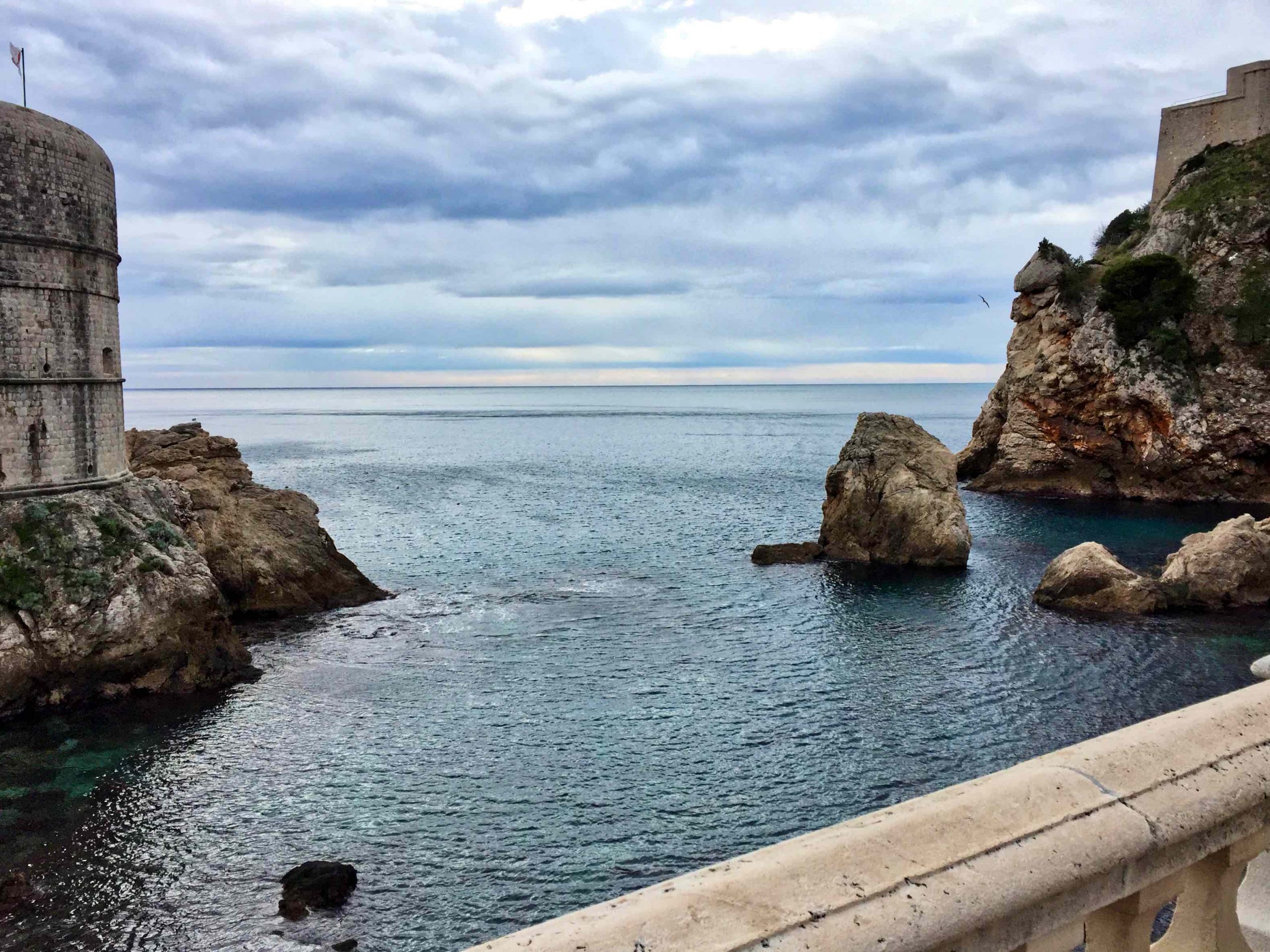
Old Town
How the City Learned Us (and We Learned It)
By the third day, the lady at the bakery began placing a little bag of candied peel on the counter without being asked. “For the walls,” she said-the kind of sentence people here can say without irony. A barista nodded before we spoke and reached for the right cups. A waiter remembered we liked our wine by the glass, late, and unhurried. In winter, the city learns you quickly; you become a familiar face, not a passing blur. We left with memories measured in textures and sounds: the weight of a café blanket over our knees; the Stradun’s marble-slick glow after rain; bells that parcel the day into grace; the slap of waves at Porporela; old doors that breathe when they open.
Our Winter Ritual (Steal It If You Like)
Morning: coffee and a slow read of the city’s face, then the walls while the light is kind. Late morning: a monastery or museum, never more than one; greed is the enemy of pleasure. Lunch somewhere with steam on the windows. Afternoon: the sea, always the sea, and the walk to visit “our” lighthouse. Evening: a glass of local wine in a quiet bar, rožata for dessert, and the best sleep.
Practical, Quiet Joys (What Winter Makes Easier)
Winter is kinder to the mind. Hotels have space; tables are available; museums breathe. Guides have time to tell the second story-the one they can’t share in high season. A closed sign here and there is typical; what stays open is enough and exactly right. Bring good shoes, a warm layer, and a scarf. Expect the city to meet you halfway.
Our Answer, Finally and Simply
If you’re reading for a verdict: yes, winter in Dubrovnik is worth it, in the way time with a friend in their kitchen is worth more than a hundred gala receptions. If you’ve only known the city in festival dress, return when it’s in a wool coat and good shoes. Bring curiosity, a scarf, and room in your pocket for an orange. The city will give you the rest-and if you let it, it will let you in.